
As an urban designer with over two decades of experience, I, Julian Vance, have witnessed the evolution of our cities firsthand. From the towering structures of Chicago, my birthplace, to the intricate planning projects I’ve overseen globally, one truth remains constant: a city’s heart beats strongest when its public spaces are designed for everyone. This isn’t just about aesthetics; it’s about creating environments that foster interaction, well-being, and a sense of belonging.
My journey, from a Master of Architecture in Urban Design to leading projects at renowned firms like Skidmore, Owings & Merrill (SOM) and my own Vance Urban Collaborative, has reinforced my belief in community-oriented design. It’s about observing how people move, interact, and thrive within their surroundings. A truly successful urban space isn’t just beautiful; it’s functional, adaptable, and most importantly, inviting. It’s about more than just buildings; it’s about the spaces between them and how those spaces serve the people.
The Evolving Role of Public Spaces
Historically, public spaces served primary functions: marketplaces, gathering points, or ceremonial grounds. Today, their roles have expanded dramatically. They are now seen as crucial elements for mental health, physical activity, and social cohesion. The pandemic, in particular, highlighted the indispensable value of accessible green spaces and well-designed urban plazas. People craved outdoor environments where they could safely connect and decompress.
This shift necessitates a more thoughtful approach to urban planning. We can no longer afford to view parks or plazas as mere afterthoughts. They must be integral to the initial design process, woven into the very fabric of our urban landscapes. This integration often involves multi-functional design, where a single space can host a farmers’ market in the morning, a children’s play area in the afternoon, and a community concert in the evening. Adaptability is key.
Integrating Play into the Urban Environment
When I speak of ‘play’ in urban design, I’m not just referring to playgrounds, although they are a vital component. I’m talking about creating opportunities for spontaneous interaction, exploration, and joy for people of all ages. This could manifest as interactive art installations, pedestrian-friendly streets that encourage walking and cycling, or even carefully placed seating arrangements that spark conversation.
Consider the concept of ‘playable cities,’ where the entire urban landscape becomes an arena for engagement. This extends beyond formal recreational areas to include unexpected elements like urban hammocks, public pianos, or even simple, well-maintained paths that invite a leisurely stroll. The goal is to break down the monotony of urban life and infuse it with moments of delight and discovery. These subtle design choices can have a profound impact on a city’s overall vitality and the well-being of its residents.

The Challenge of Urban Densification
As cities continue to grow and densify, the challenge of creating meaningful public spaces becomes even more pronounced. How do we ensure adequate green space and recreational opportunities when land is at a premium? This is where innovative design and smart planning come into play. Vertical gardens, rooftop parks, and the repurposing of underutilized spaces, such as old railway lines transformed into linear parks, offer creative solutions.
My work at Vance Urban Collaborative often involves navigating these complexities, finding ways to maximize functionality and aesthetic appeal within tight constraints. It requires a deep understanding of local contexts, community needs, and the latest in sustainable design practices. The objective is always to create spaces that are not only beautiful but also resilient and environmentally responsible.
Community Engagement: The Cornerstone of Successful Design
No urban design project can truly succeed without genuine community engagement. As an observant and community-oriented designer, I believe that the people who will use these spaces are the ultimate experts. Their insights, desires, and concerns must inform every stage of the design process. Workshops, public forums, and even digital platforms can facilitate this crucial dialogue.
When communities are involved in shaping their environment, they develop a sense of ownership and pride. This leads to better-maintained spaces and a stronger social fabric. It’s about empowering residents to be co-creators of their urban landscape, ensuring that the spaces truly reflect their needs and aspirations. This collaborative approach fosters trust and builds stronger, more cohesive neighborhoods.
Looking to the Future: Innovation in Urban Play
The future of urban play is exciting, with new technologies and creative concepts continually emerging. From augmented reality experiences integrated into public parks to smart playgrounds that adapt to user preferences, the possibilities are vast. However, the core principles remain: accessibility, inclusivity, and the promotion of social interaction.
For those interested in exploring platforms that combine modern design with engaging experiences, consider resources like Tigre Sortudo plataforma. It exemplifies how digital spaces can also offer a form of engagement and play, complementing the physical spaces we design. The blend of digital and physical experiences is becoming increasingly relevant in our interconnected world, offering new avenues for interaction and enjoyment.
In conclusion, the creation of vibrant, livable cities is an ongoing endeavor. It demands a holistic approach that prioritizes public spaces, integrates opportunities for play, and champions community participation. As urban designers, our responsibility is to craft environments that not only stand the test of time but also enrich the lives of those who inhabit them. It’s a journey of constant learning, adaptation, and a passionate commitment to the urban fabric that defines our collective experience.
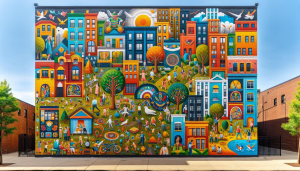
Okay, let’s be real. "Urban revitalization" can sound... well, sterile. Think concrete jungles, a swarm of cranes, brand new condos Read more
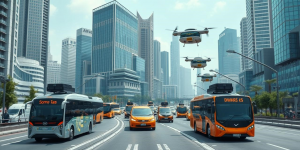
For years, I've been buried in the trenches of urban design, battling the daily grind that defines city life: the Read more