
The world’s changing. It’s not a headline anymore, it’s our reality. Extreme weather events? They’re not so “extreme” anymore, are they? As an architect and urban designer, especially coming from a city like Chicago, I’ve seen firsthand what these shifts do to our cities. Floods, heatwaves… the need for resilient design isn’t some sci-fi concept. It’s now. We have to build our buildings and plan our cities not just to survive, but to thrive. This is about protecting our neighborhoods, keeping our infrastructure intact, and making sure we have a future that’s actually sustainable.
Why Climate Resilience Matters-More Than Ever
Climate resilience in architecture isn’t just about making buildings tougher. It’s about seeing the big picture-how our buildings connect with nature. We need to think ahead, reduce the impact of disasters, and design for whatever comes our way. That means rethinking materials, finding new structural solutions, and using sustainable tech to cut emissions and handle crazy weather.
I remember a project in Miami, where the rising sea was the topic. We had to completely change the foundation, using materials that could handle floods and raising the building up. It was a real eye-opener. We can’t ignore climate change anymore.
Game-Changing Materials: Building for a Warmer World
One of the coolest things happening in resilient design is adaptive building materials. These materials react to the environment, making buildings last longer and use energy better. Think about phase-change materials (PCMs). They absorb and release heat, so you don’t need as much air conditioning. And there’s a growing trend of using recycled materials, which not only cuts down on waste but also makes buildings look amazing.

Stronger Structures: Building for the Unexpected
It’s not just about what we build with, but how we build. Modular construction is super flexible. We can put buildings together quickly or take them apart if we need to. Seismic-resistant designs, which are usually for earthquake zones, can also make buildings stronger against all kinds of extreme weather.
These solutions aren’t just about protecting property. They’re about keeping people safe. I once worked on a project in Japan, where building for earthquakes is just part of the culture. The details they put in, the flexible joints, the monitoring systems… it was incredible. It showed me how being proactive can really make a difference.
Powering the Future: Renewable Energy is Key
To be truly resilient, we need to rely less on power grids that can fail. Renewable energy is the answer. Solar panels, wind turbines, geothermal systems-they can provide clean, reliable power, even when the grid goes down during a storm.
Putting these technologies into buildings takes planning and teamwork between architects, engineers, and energy experts. But it’s worth it. We get a more sustainable, resilient, and independent energy future. Imagine a neighborhood powered by its own microgrid, running on solar and backed up by batteries. That’s the kind of energy independence that can save the day in a crisis.
Water, Water Everywhere? Managing Flood Risks
Too much water is becoming a huge problem. Heavy rain and floods are some of the worst effects of climate change. We need to manage water better with things like rainwater harvesting, green roofs, and flood-resistant foundations.
Rainwater harvesting can give us water for irrigation and other uses, so we don’t have to rely as much on city water. Green roofs soak up rainwater, reducing runoff and cooling down cities. And flood-resistant foundations can protect buildings from water damage, keeping them usable for years to come. I’ve seen the damage floods can do, and I believe managing water proactively is crucial for resilient communities.
Smart Tech to the Rescue
Smart technology is a game-changer for climate resilience. It helps us monitor and control building systems in real-time. Sensors can track temperature, humidity, and other things, so we can adjust heating, cooling, and ventilation as needed. Smart grids can use energy efficiently, even when demand is high. And early warning systems can alert people to danger, giving them time to prepare or evacuate.
The key is to make this tech easy to use. Imagine a building that automatically adjusts its shades based on the sun, or a city that uses sensors to prevent floods. That’s the power of smart technology to make us more resilient.
Building Strong Communities: It Takes a Village
In the end, climate resilience is about more than just buildings. It’s about creating resilient communities. That means architects, urban planners, politicians, and everyone else working together. We need to design cities that are easy to walk and bike around in, with good public transportation, so we don’t have to rely on cars so much.
We need green spaces that provide shade, absorb rainwater, and support wildlife. And we need to make sure everyone has access to the resources they need during extreme weather. Things like community gardens, public shelters, and accessible transportation are essential. I’ve learned that the strongest communities are the ones that are connected, informed, and prepared.
Time to Act: Investing in Our Future
We need to act now. Climate-resilient design needs to be a part of everything we do-architecture, urban planning, and policy. It’s an investment in our future, in the safety and well-being of our communities. By using these strategies and materials, we can create buildings and cities that are not only resilient to climate change but also more livable, sustainable, and fair. Let’s work together to build a future where our cities can thrive, no matter what the weather throws at us.
Climate Resilience: Your Questions Answered
- What exactly is climate-resilient design? It’s designing buildings and cities to withstand the effects of climate change, using sustainable and adaptive methods.
- Why does it matter? It protects our buildings, communities, and infrastructure from increasingly severe weather, ensuring we can thrive in the long term.
- Give me some examples of adaptive building materials. Phase-change materials (PCMs), recycled materials, and self-healing concrete are a few. They make buildings stronger and more energy-efficient.
- How can smart tech help? It can monitor and control building systems in real-time, optimize energy use, provide early warnings, and help us respond to changing conditions.
- What’s the role of urban planning? It’s crucial for creating resilient communities by promoting sustainable transportation, green spaces, shared resources, and equal access to services.
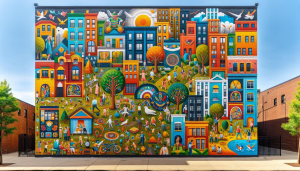
Okay, let’s be real. "Urban revitalization" can sound... well, sterile. Think concrete jungles, a swarm of cranes, brand new condos Read more
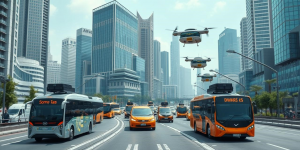
For years, I've been buried in the trenches of urban design, battling the daily grind that defines city life: the Read more
